Portion Control Tips for Sustainable Healthy Eating
Healthy eating is often associated with choosing nutritious foods such as fruits, vegetables, nuts, whole grains, and lean proteins. However, even healthy foods can contribute to excess calorie intake when portion sizes become too large.
Many people assume that if a food is healthy, it can be eaten without limits. In reality, nutrition and portion control work together to support balanced eating habits, energy management, and long-term wellbeing.
Portion control does not mean strict dieting or constantly counting calories. Instead, it involves understanding healthy food serving sizes, listening to hunger signals, and building sustainable healthy eating habits.
This article explains:
- Why portion control matters
- How oversized portions affect health
- Practical portion control tips
- Mindful eating practices for families
- Ways to create balanced meal portions without restriction
Why Portion Control Matters
Portion control plays an important role in maintaining balanced nutrition. Even nutrient-rich foods contain calories, and consistently eating more than the body needs may contribute to gradual weight gain over time.
The Link Between Portion Sizes and Weight Management
Modern eating habits often involve oversized servings, restaurant meals, and frequent snacking. Large portions can make it difficult to recognise natural fullness cues.
Balanced portion sizes may help support:
- Healthy energy intake
- Better digestion
- Weight management nutrition
- Reduced overeating
- Improved eating awareness
Portion control is not about deprivation. It is about creating balance and consistency.
Healthy Foods Can Still Be Overeaten
Foods considered healthy can still contribute to excessive calorie intake if eaten in very large amounts.
Examples include:
- Nuts and nut butters
- Granola and trail mixes
- Smoothies
- Avocados
- Cheese
- Wholegrain snacks
- Dried fruits
These foods provide important nutrients but are often energy-dense.
Understanding healthy food serving sizes can help people enjoy nutritious foods without unintentionally overeating.
Understanding Balanced Meal Portions
Balanced meal portions include a combination of nutrients that support satiety and steady energy levels.
What a Balanced Plate May Look Like
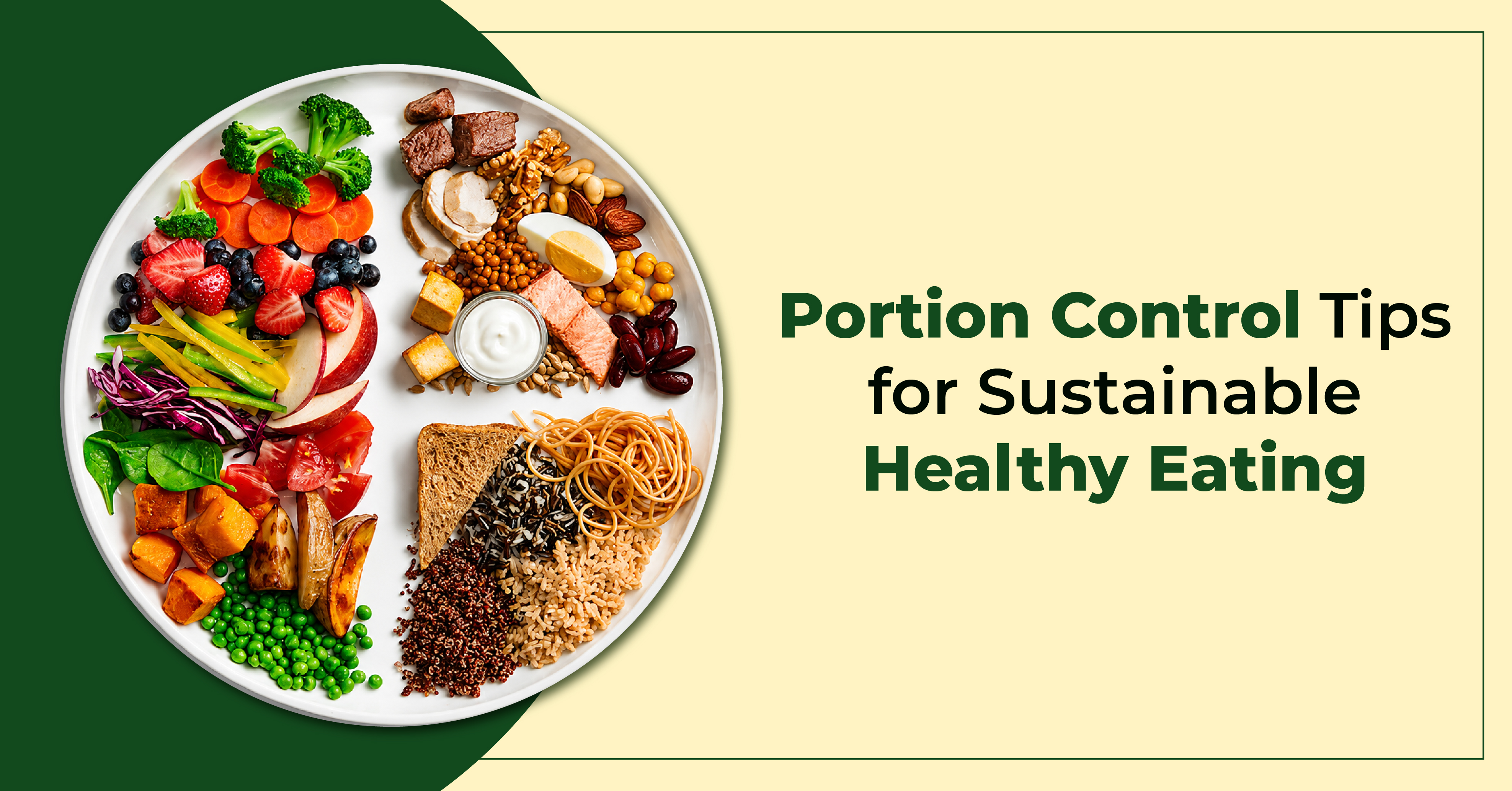
A balanced meal often includes:
- Half the plate with vegetables or salad
- One-quarter with lean protein
- One-quarter with whole grains or complex carbohydrates
- Small portions of healthy fats
This approach encourages variety while helping regulate portion sizes naturally.
Why Portion Awareness Matters for Families
Families may unintentionally adopt oversized eating habits due to:
- Large serving plates
- Frequent takeaway meals
- Eating while distracted
- Emotional eating patterns
- Misleading food packaging
Teaching children balanced eating habits early may support healthier long-term relationships with food.
Portion Control Tips for Everyday Life
Simple habits can make portion management easier without creating unnecessary food restrictions.
Use Smaller Plates and Bowls
Research suggests that plate size may influence how much people eat. Smaller serving dishes can help meals appear satisfying while naturally reducing portion sizes.
This strategy may support healthier eating habits without requiring strict measurement.
Serve Food Before Sitting Down
Eating directly from large containers or takeaway boxes can make portion awareness more difficult.
Instead:
- Serve meals onto plates
- Portion snacks into bowls
- Avoid eating from packets
This may help reduce mindless overeating.
Slow Down While Eating
Mindful eating practices encourage paying attention to hunger and fullness signals.
Helpful habits include:
- Eating slowly
- Chewing thoroughly
- Avoiding screens during meals
- Taking breaks while eating
The brain often needs time to recognise fullness.
Plan Balanced Snacks
Snacking is not necessarily unhealthy, but oversized snacks may increase daily calorie intake.
Balanced snack ideas include:
- Fruit with yoghurt
- Handful of nuts
- Roasted chickpeas
- Vegetable sticks with hummus
Preparing portions in advance may help prevent overeating.
How Mindful Eating Practices Support Portion Control
Mindful eating focuses on awareness rather than restriction. It encourages people to understand why, when, and how they eat.
Emotional Eating and Portion Sizes
Stress, boredom, and emotional triggers may sometimes lead to overeating, even when physical hunger is absent.
Mindful eating practices may help individuals:
- Recognise emotional eating patterns
- Reduce distracted eating
- Improve satisfaction after meals
- Develop healthier food awareness
Building these habits gradually is often more sustainable than following strict diets.
Recognising Hunger and Fullness Signals
Some people continue eating simply because food is available, not because they remain hungry.
Helpful questions include:
- Am I physically hungry?
- Am I eating out of habit?
- Do I still feel hungry halfway through the meal?
Learning to pause and reflect may support better portion awareness.
Nutrition and Portion Control for Weight Management
Weight management nutrition is influenced by both food quality and quantity.
Why Healthy Eating Alone May Not Be Enough
Even nutritious foods can contribute to weight gain if portions consistently exceed the body's energy needs.
For example:
- Large smoothie portions may contain high sugar and calorie levels
- Excessive healthy fats may add significant calories
- Frequent grazing throughout the day may increase total intake
Balanced portion control helps align nutrition with energy requirements.
Sustainable Healthy Eating vs Restrictive Dieting
Highly restrictive diets are often difficult to maintain long term.
Sustainable healthy eating focuses on:
- Flexibility
- Portion awareness
- Nutrient-rich foods
- Consistency rather than perfection
This balanced approach may be easier to maintain for families and individuals alike.
Common User Questions About Portion Control
Do Healthy Foods Need Portion Control?
Yes. While healthy foods provide important nutrients, portion sizes still matter for balanced energy intake and weight management.
Is Portion Control the Same as Dieting?
No. Portion control focuses on awareness and balance rather than strict food restriction or eliminating specific foods.
How Can Families Practise Portion Control Together?
Families can:
- Serve meals on smaller plates
- Encourage slower eating
- Plan balanced snacks
- Avoid distracted eating during meals
Shared healthy habits often make changes easier to maintain.
Are Restaurant Portions Too Large?
Many restaurant meals contain larger portions than necessary. Sharing meals or saving leftovers may help reduce excessive intake.
FAQ's
What are simple portion control tips for beginners?
Using smaller plates, eating slowly, avoiding eating from packets, and planning balanced meals are practical ways to improve portion awareness.
Why are balanced meal portions important?
Balanced portions help provide nutrients while supporting healthy energy intake and reducing overeating.
Can mindful eating practices support weight management?
Mindful eating may help people recognise hunger cues, reduce emotional eating, and improve overall eating awareness.
Do children need portion control too?
Children benefit from balanced eating habits and age-appropriate serving sizes. Restrictive dieting is generally not recommended for growing children.
Is portion control necessary for snacks?
Yes. Even healthy snacks can contribute to excessive calorie intake if portion sizes become too large.
Key Takeaways
- Healthy foods can still be overeaten.
- Portion awareness supports balanced nutrition.
- Mindful eating practices may reduce overeating.
- Balanced meal portions help maintain steady energy levels.
- Sustainable healthy eating focuses on consistency, not restriction.
- Small changes can improve long-term eating habits.
Conclusion
Portion control is an important part of maintaining balanced nutrition, even when choosing healthy foods. Understanding serving sizes, eating mindfully, and building realistic eating habits may support long-term wellbeing without unnecessary restriction.
Rather than focusing on perfection, families and individuals can benefit from gradual, sustainable changes that encourage healthier relationships with food.
For more healthy eating habits and nutrition guidance, explore additional wellness articles on Taste Good.