Sugar Intake: How to Cut Down by Understanding Food Labels
Reducing sugar in your daily diet is one of the most effective ways to improve overall health, manage weight, and support conditions like diabetes. However, cutting sugar is not just about avoiding sweets — it begins with understanding food labels.
Many packaged foods contain hidden sugars, making it difficult to track your intake. This guide will help you understand how to read food labels for sugar, identify hidden sugars, and make smarter choices — including healthier alternatives like sugar free biscuits for diabetics, protein biscuits, and calcium biscuits.
Why You Should Monitor Your Sugar Intake
Excessive sugar consumption is linked to various health issues such as obesity, type 2 diabetes, and heart disease. Knowing the daily sugar intake limit is essential for maintaining a balanced diet.
Daily Sugar Intake Limit (Recommended Guidelines)
- Adults: No more than 30g of free sugars per day
- Children: 19–24g depending on age
- Diabetics: Should follow personalised medical advice
By learning how to reduce sugar intake, you can prevent long-term health complications while still enjoying your favourite foods in moderation.
How to Read Food Labels for Sugar
Understanding labels is key to controlling sugar consumption.
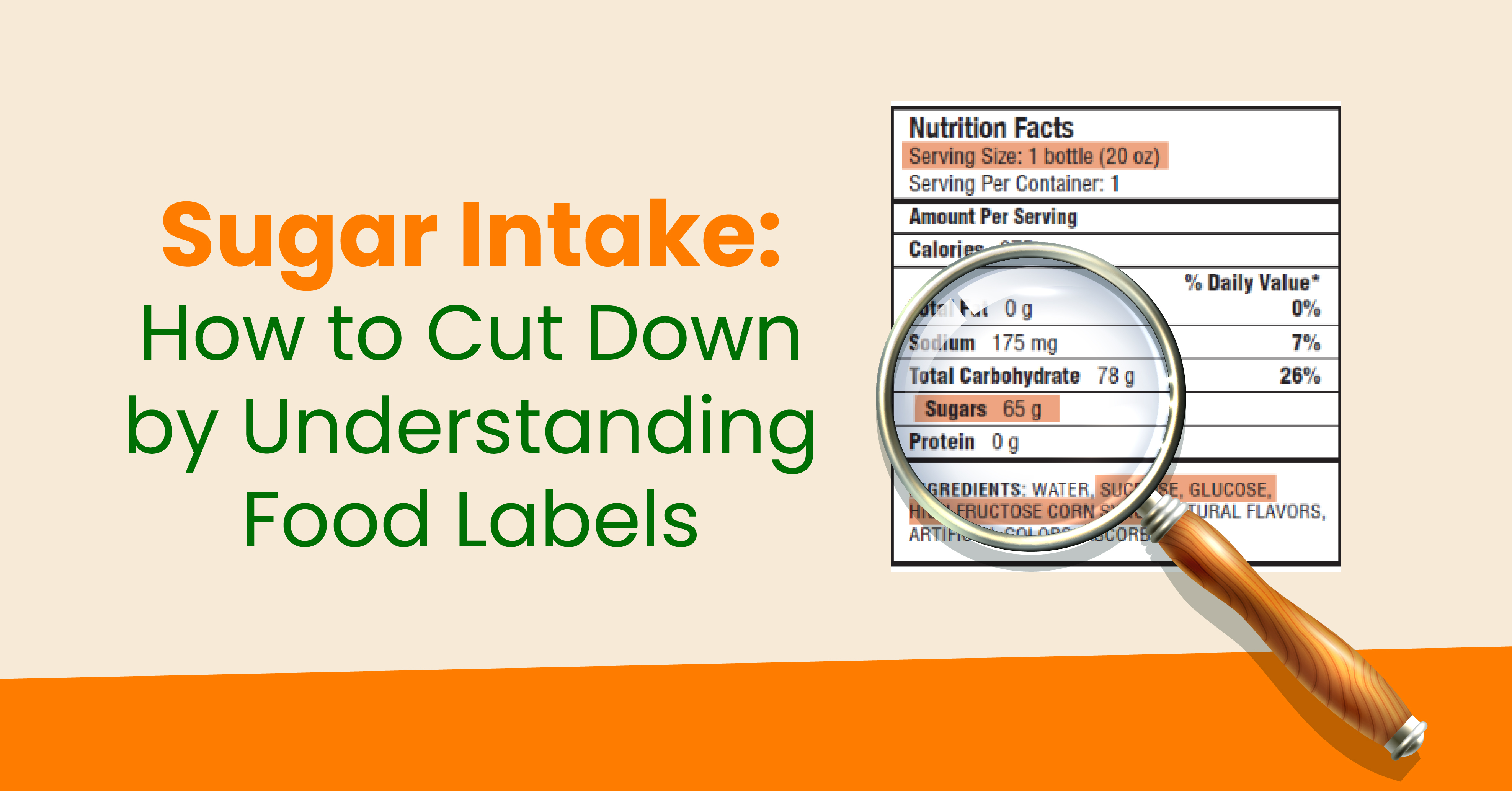
Check the “Total Sugars” Section
Look at the nutrition panel. “Total sugars” includes both natural and added sugars.
Identify Added Sugars
Manufacturers often list sugars under different names. Knowing these helps in understanding nutrition labels sugar content.
Look at Ingredients Order
Ingredients are listed in descending order by weight. If sugar appears near the top, the product is high in sugar.
Hidden Sugar in Foods List
Sugar is often disguised under various names. Here’s a hidden sugar in foods list to watch out for:
Common Hidden Sugars
- Glucose syrup
- Fructose
- Sucrose
- Maltose
- Corn syrup
- Honey
- Molasses
- Dextrose
Even foods marketed as “healthy” may contain these forms of sugar.
Foods High in Sugar to Avoid
Reducing sugar starts with identifying high-sugar foods.
Common High-Sugar Foods
- Fizzy drinks and packaged juices
- Flavoured yoghurts
- Breakfast cereals
- Packaged snacks and desserts
- Bakery products
Instead of these, switch to healthier alternatives like diabetic biscuits, karela biscuits, and other sugar free biscuits that offer taste without excess sugar.
How to Cut Sugar from Diet Effectively
Making small, sustainable changes can significantly reduce your sugar intake.
Practical Tips to Reduce Sugar Consumption
- Replace sugary snacks with biscuits for diabetics
- Choose unsweetened beverages
- Avoid adding sugar to tea or coffee
- Opt for whole foods over processed foods
- Read labels before purchasing packaged products
Incorporating healthier snack options like protein biscuits and calcium biscuits can help maintain energy levels while supporting nutritional needs.
Smart Snacking: Healthier Alternatives to Sugary Foods
Snacking does not have to mean consuming sugar-loaded products.
Better Biscuit Choices
- Sugar free biscuits for diabetics: Ideal for managing blood sugar levels
- Protein biscuits: Help maintain satiety and muscle health
- Calcium biscuits: Support bone strength
- Karela biscuits: Known for their potential benefits in blood sugar management
These options allow you to enjoy snacks without compromising your health goals.
Tips for Long-Term Sugar Reduction
Reducing sugar is not a one-time effort but a lifestyle change.
Sustainable Habits
- Plan your meals in advance
- Gradually reduce sugar instead of eliminating it suddenly
- Stay hydrated to curb sugar cravings
- Choose natural sweetness from fruits
- Keep healthy snacks like diabetic biscuits readily available
Conclusion
Understanding how to read food labels for sugar is the foundation of reducing sugar intake. By recognising hidden sugars, avoiding high-sugar foods, and choosing healthier alternatives like sugar free biscuits, protein biscuits, and karela biscuits, you can take control of your diet.
Making informed decisions today will lead to better health outcomes in the future. Start by checking labels, reducing hidden sugars, and embracing smarter snacking habits.